In recent years, the Chinese luxury market has experienced significant growth, becoming a focal point for fashion brands globally. A report from McKinsey highlights that China's luxury market is projected to reach $180 billion by 2025. This rapid expansion raises the question: what makes a fashion brand premium in China? Understanding this is crucial for brands seeking success in this competitive landscape.
"What Makes A Fashion Brand Premium" involves more than just high price tags. Consumers in China are increasingly discerning. They seek authenticity, quality, and a strong brand heritage. According to Bain & Company, 70% of luxury buyers prioritize brand story. This trend indicates that emotional connection can significantly influence purchasing decisions.
Furthermore, accessibility plays a vital role. Premium brands must navigate both online and offline channels effectively to reach their target audience. However, not all brands succeed in this endeavor. There is a fine line between exclusivity and visibility. Some brands fail to strike the right balance, leading to potential loss of prestige. Reflecting on these aspects, it becomes clear that enhancing brand value in China requires a multifaceted approach.
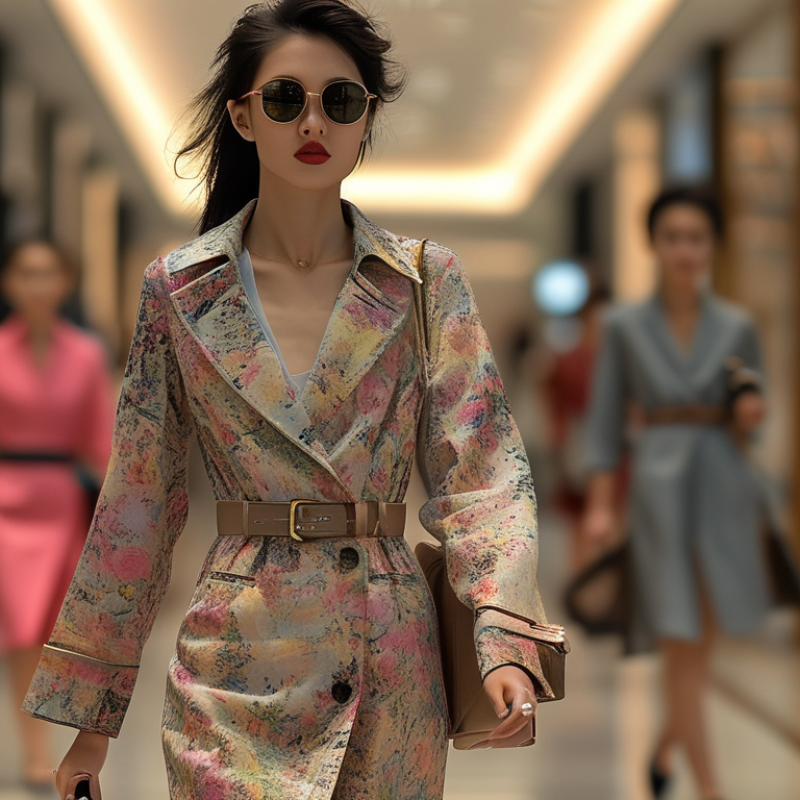
Defining Premium Fashion Brands in the Chinese Market
The premium fashion market in China is evolving rapidly. As consumers become more discerning, several factors define what makes a brand truly premium. Quality, craftsmanship, and exclusivity stand out as primary attributes. Research from McKinsey indicates that 80% of Chinese consumers believe high-quality materials are essential for premium brands. This places an emphasis on sourcing the best textiles and incorporating meticulous design processes.
Additionally, brand storytelling plays a crucial role. In a survey by Bain & Company, 70% of respondents stated that a brand’s heritage and narrative influence their perception of premium quality. Brands that can connect emotionally with consumers tend to resonate more deeply, fostering loyalty and enhancing their premium status.
However, challenges persist. Many brands struggle to maintain authenticity while catering to a rapidly changing market. The rise of e-commerce has introduced pressures that can dilute brand image. Consumers are now more informed and skeptical than ever. Brands must navigate these dynamics carefully, ensuring that their online presence reflects their premium identity without straying into mass-market appeal. As the landscape continues to shift, the definition of premium in China remains complex and multifaceted.
Key Characteristics of Premium Fashion Brands in China
In the dynamic landscape of fashion in China, premium brands define themselves through distinct characteristics that resonate with local consumers. One key aspect is heritage. Brands with a story, often rooted in craftsmanship and traditions, appeal to the consumers' desire for authenticity. According to the China Apparel Market Report 2023, about 65% of Chinese consumers prefer brands that have a rich narrative behind their products. This emphasis on storytelling creates an emotional bond, elevating the brand's status.
Another vital characteristic is exclusivity. Premium fashion brands leverage limited editions to foster a sense of uniqueness. Recent studies indicate that nearly 55% of consumers in China are willing to pay more for products that are perceived as exclusive or one-of-a-kind. Additionally, quality plays a crucial role. Consumers are becoming increasingly discerning. A survey by McKinsey & Company highlighted that, in 2022, 70% of respondents deemed product quality as the most important factor in their purchasing decisions. This push for high-quality materials and superior craftsmanship contributes to a brand's premium perception.
Furthermore, digital engagement is essential. With over 1 billion social media users in China, brands must cultivate a strong online presence. Interactive experiences drive loyalty. However, the challenge remains: many brands struggle to articulate their identity effectively in crowded digital spaces. This inconsistency can lead to consumer confusion and a diluted brand image, showcasing an area that requires thoughtful improvement.
Consumer Perceptions of Premium Fashion in China
In China, consumer perceptions of premium fashion brands are evolving. Quality craftsmanship, innovative designs, and unique materials play crucial roles. Many consumers associate premium brands with exclusivity. Limited availability enhances desirability. However, not every brand achieves this perception. Some fall short, lacking genuine quality or storytelling.
Cultural influences significantly impact consumer choices. Heritage and authenticity resonate deeply. Shoppers seek brands that align with their personal values. They appreciate sustainable practices and ethical sourcing. Yet, many remain unaware of the actual practices behind brand claims. Transparency is essential for building trust.
Price is a double-edged sword. High prices can indicate luxury. However, it can also alienate potential customers. Brands must navigate this delicate balance. Engaging storytelling helps bridge the gap. The narrative behind the brand can cultivate a loyal following. But without substance, these stories may ring hollow. Genuine connections are vital for lasting relationships with consumers.
Marketing Strategies for Positioning Premium Brands in China
Premium fashion brands in China thrive on strategic marketing that resonates with their target audience. According to a 2022 report by Bain & Company, the high-end fashion market in China is set to grow by 30% annually. This growth indicates a shift towards premiumization among Chinese consumers, who increasingly seek exclusivity and quality. Brands must leverage digital platforms effectively, as over 70% of luxury purchases are influenced by online interactions. Utilizing social media to create a narrative around products can help enhance brand perception.
However, it’s crucial to avoid over-saturating the market. Misjudging consumer insights can lead to brand dilution. For instance, a study by McKinsey highlighted that 50% of luxury buyers in China are concerned about counterfeit products. This concern reflects a need for premium brands to emphasize authenticity in their marketing messages. Moreover, engaging with consumers through storytelling can close the gap between aspiration and accessibility.
As this market evolves, brands face the challenge of aligning their values with those of consumers. Sustainability has become more than a trend—it’s a demand. A report by Statista shows that 58% of luxury shoppers want brands to address sustainability. This expectation puts pressure on brands to integrate eco-friendly practices into their operations while maintaining a premium image. Ultimately, those who navigate these complexities effectively will not only capture market share but also build lasting brand loyalty.
The Role of Cultural Influences on Fashion Premiumity in China
Cultural influences play a critical role in shaping the perception of premium fashion brands in China. Heritage and narrative matter greatly to consumers. For instance, buyers often prefer brands that embody traditional Chinese aesthetics or philosophies. According to a 2022 McKinsey report, over 60% of Chinese consumers are inclined to purchase luxury items that reflect cultural significance. This underscores a deep-rooted connection between identity and consumption.
Moreover, the rise of social media has amplified cultural storytelling. Brands increasingly leverage platforms like WeChat and Xiaohongshu to communicate their stories, values, and craftsmanship. A 2023 report from Bain & Company highlighted that 70% of luxury purchases in China are influenced by social media content. This suggests that cultural narratives not only attract attention but also drive purchase decisions.
However, not all brands succeed in this environment. Misinterpretations of cultural symbols can lead to backlash. Some international brands have faced criticism for cultural appropriation, which highlights the fine line between inspiration and exploitation. This volatility indicates that while cultural influence can elevate a brand's status, it demands a nuanced understanding and genuine respect for local traditions. Continuous reflection is essential for brands aiming to cultivate authentic connections with Chinese consumers.
What Makes A Fashion Brand Premium in China Best Market? - The Role of Cultural Influences on Fashion Premiumity in China
| Dimension |
Description |
Impact Level (1-5) |
| Cultural Heritage |
Utilization of traditional Chinese elements in design. |
5 |
| Luxury Experience |
Exclusive shopping experiences and personalized services. |
4 |
| Social Status |
Products that enhance the social standing of consumers. |
5 |
| Celebrity Endorsement |
Influence of celebrities on purchase decisions. |
4 |
| Sustainability |
Focus on eco-friendly practices and materials. |
3 |
| Digital Presence |
Engagement on social media and e-commerce platforms. |
4 |
| Quality & Craftsmanship |
High standards of materials and workmanship. |
5 |
FAQS
: Quality, innovative designs, and unique materials are key factors. Consumers also seek exclusivity and often base their perceptions on limited availability.
Heritage and authenticity resonate strongly. Consumers prefer brands that reflect their personal values and cultural significance.
Engaging storytelling can help brands connect with consumers. It creates a narrative that fosters loyalty but must be genuine.
Many consumers expect brands to prioritize sustainability. Over half want eco-friendly initiatives to be part of brand values.
High prices can denote luxury but may alienate some customers. Brands must balance price with perceived value.
Brands should avoid over-saturating the market. Misjudging consumer insights risks damaging brand reputation and authenticity.
Concerns about counterfeit products are prevalent. Brands need to emphasize authenticity in their marketing to gain consumer trust.
Over 70% of luxury purchases are influenced by online interactions. Brands must leverage these platforms effectively to enhance perception.
Yes, misinterpretation of cultural symbols can lead to backlash. Brands must respect local traditions to maintain genuine connections.
Transparency builds trust with consumers. Many shoppers are unaware of the real practices behind brand claims.
Conclusion
The article titled "What Makes A Fashion Brand Premium in China Best Market?" explores the defining aspects of premium fashion brands within the Chinese market. It delves into the key characteristics that distinguish these brands, such as quality craftsmanship, exclusive designs, and strong brand heritage. Additionally, the piece examines consumer perceptions, emphasizing how aspirational values and social status elevate the desirability of premium fashion in China.
Furthermore, the article highlights effective marketing strategies for establishing premium positioning, including targeted advertising and leveraging digital platforms. It also addresses the significant role of cultural influences in shaping the concept of fashion premiumity in China, showcasing how local culture and trends intersect with global fashion narratives. Understanding "What Makes A Fashion Brand Premium" in this context is essential for brands aiming to capture the attention and loyalty of Chinese consumers.

 VORA Fashion